

Cómo alinear la estrategia de talento con los objetivos empresariales en la era de la IA


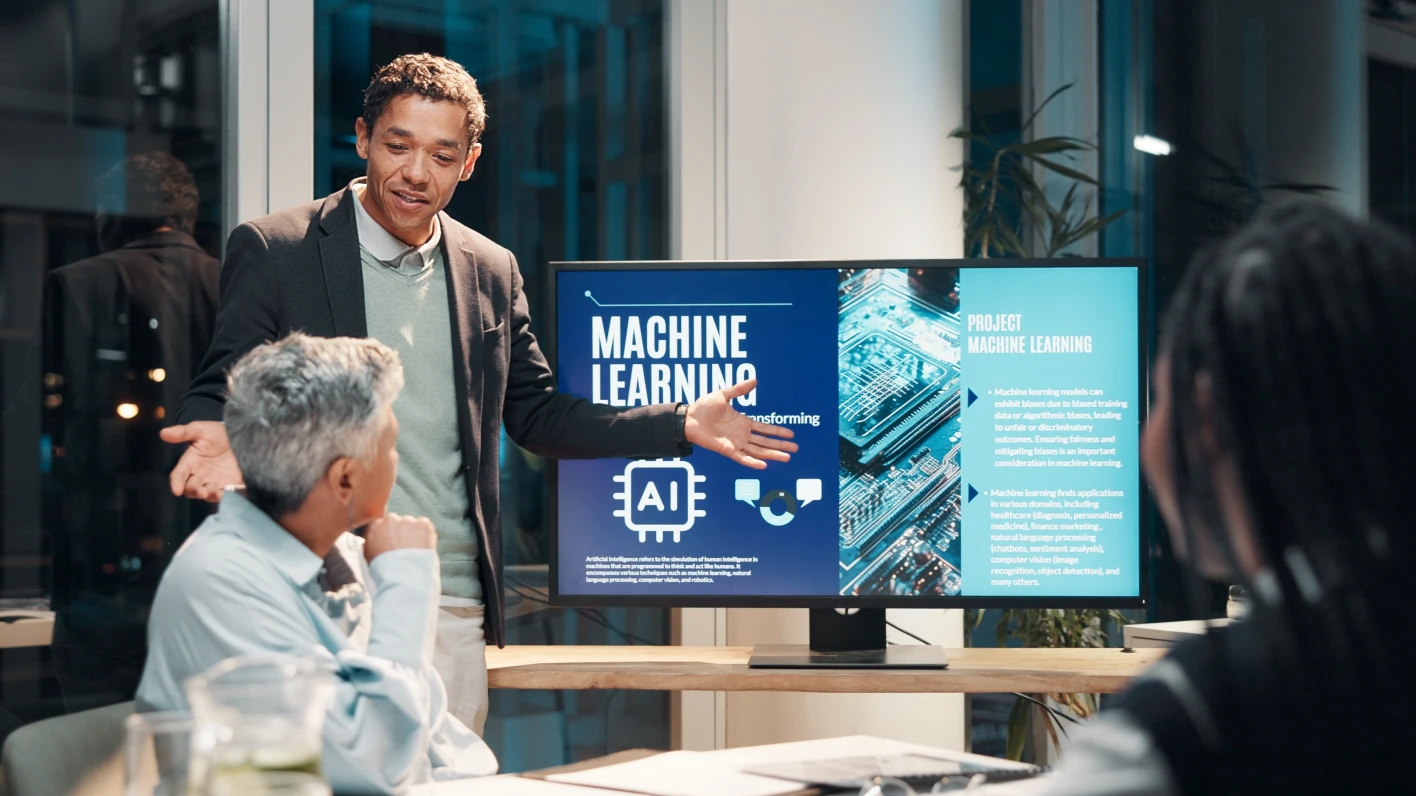
A medida que la transformación digital sigue acelerándose, las organizaciones están estableciendo objetivos comerciales cada vez más ambiciosos. Pero con demasiada frecuencia, los requisitos de talento se quedan atrás, lo que aumenta el riesgo de escasez de habilidades y oportunidades perdidas.
Este artículo explora cómo traducir los objetivos empresariales en resultados para la fuerza laboral, determinar tu mezcla óptima de personal y capacitar a tu equipo para estar preparado para la IA.
Aquí tienes un marco de cinco pasos para mantener la estrategia de talento alineada con las prioridades del negocio.
1. Define tus objetivos empresariales
Cada decisión de talento debe comenzar con claridad sobre lo que la compañía quiere lograr. ¿Buscas acelerar los lanzamientos de productos? ¿Entrar en nuevos mercados? ¿Mejorar la experiencia del cliente? ¿Escalar procesos impulsados por la IA? Estos objetivos determinan la fuerza laboral que necesitas.
La clave es que las metas sean medibles. Por ejemplo:
- "Reducir el tiempo de lanzamiento al mercado en un 20%"
- "Aumentar las puntuaciones de satisfacción del cliente en 10 puntos"
- "Lanzar tres productos habilitados por IA en los próximos 12 meses"
Una vez que tengas objetivos claros, vincúlalos con resultados para la fuerza laboral. Si la rapidez para llegar al mercado es crítica, podrías necesitar equipos multifuncionales con habilidades en IA y opciones de personal flexible. Si la innovación es la prioridad, necesitarás experiencia técnica complementada con habilidades humanas como la creatividad y la resolución de problemas.
2. Desarrolla la alfabetización en IA
La IA ha pasado de ser una capacidad de nicho a ser un motor central del éxito empresarial. Esto significa que cada miembro de tu equipo necesita fortalecer su alfabetización en IA. Pero la alfabetización en IA no se trata solo de programación o ciencia de datos; se trata de entender lo que la IA puede y no puede hacer, usarla eficazmente y evaluar críticamente sus resultados.
Piensa en la alfabetización en IA como cuatro pilares clave:
- Entender la IA: Reconocer sus capacidades y limitaciones
- Aplicar herramientas de IA: Integrarlas sin problemas en los flujos de trabajo
- Evaluar resultados: Identificar sesgos, errores e inexactitudes
- Uso ético: Garantizar la privacidad, equidad y prácticas responsables
Una fuerza laboral alfabetizada en IA debe combinar:
- Habilidades técnicas: Alfabetización en datos, plataformas en la nube, ciberseguridad y competencia con herramientas de IA
- Habilidades humanas: Comunicación, resolución de problemas, adaptabilidad y liderazgo — cualidades que la IA no puede replicar
Tus objetivos organizacionales determinarán la profundidad de la experiencia técnica requerida, pero cada empleado debe contar con sólidas habilidades humanas para prosperar en un entorno impulsado por IA.
3. Reevalúa la estructura de la fuerza laboral
Una vez que sepas en qué habilidades concentrarte, la siguiente pregunta es: ¿Cómo las obtendrás? La respuesta radica en pensar en el talento como un portafolio, no como una solución única.
Un marco probado es Construir-Comprar-Pedir-Redistribuir-Automatizar:
- Construir: Capacitar o reentrenar a empleados actuales para capacidades estratégicas y recurrentes.
- Comprar: Contratar externamente para habilidades escasas y críticas.
- Pedir prestado: Incorporar talento especializado a corto plazo para picos de demanda o proyectos piloto.
- Redistribuir: Reasignar el talento interno a nuevas funciones en las que su experiencia aporte valor añadido.
- Automatizar: Usar automatización e IA para tareas repetitivas y mejorar flujos de trabajo.
Por ejemplo, si vas a lanzar una línea de productos basada en inteligencia artificial, podrías recurrir a expertos en el nicho para la fase piloto, desarrollar capacidades internas para garantizar la sostenibilidad a largo plazo y automatizar las tareas rutinarias para liberar recursos humanos.
La combinación correcta
Encontrar la combinación adecuada depende de sus objetivos, plazos y presupuesto. Contratar talento externo ofrece rapidez y flexibilidad, mientras que desarrollar habilidades internamente fortalece la cultura y la retención. A menudo, lo mejor es un enfoque híbrido: contratar para probar y aprender; luego, desarrollar para lograr durabilidad.
4. Capacita a tu personal actual
La capacitación es la piedra angular de una estrategia de talento preparada para el futuro. Si aún no lo has hecho, una implementación a nivel empresarial de buenas prácticas para el uso de IA es un excelente punto de partida. Luego, identifica brechas de habilidades mediante evaluaciones o análisis impulsados por IA.
Según tus necesidades, los itinerarios de aprendizaje deben dividirse en rutas técnicas y no técnicas.
Hay innumerables maneras de hacer que el aprendizaje sea accesible y atractivo. Aquí tienes algunas opciones:
- LinkedIn Learning – itinerarios formativos seleccionados sobre IA
- Planes empresariales de Coursera y Udemy – aprendizaje y certificación en IA basados en funciones.
- Kubicle – formación en IA para empleados, directivos y ejecutivos
- MyPath de Manpower: una gama completa de cursos y certificaciones relacionados con la IA disponibles para los asociados de Manpower
Hacer que funcione
Una combinación de módulos de microaprendizaje, laboratorios virtuales y sesiones de coaching ayuda a reducir la fatiga del aprendizaje. Combinar la capacitación con proyectos del mundo real permite a los empleados aplicar nuevas habilidades de inmediato.
Finalmente, mide el progreso. Las evaluaciones previas y posteriores a la capacitación, las tasas de movilidad interna y el tiempo necesario para alcanzar la competencia son indicadores sólidos del éxito.
5. Mide el éxito
Una estrategia de talento solo es eficaz si ofrece un impacto comercial medible. Comienza vinculando métricas directamente a los resultados.
Por ejemplo:
- Tiempo para cubrir vacantes y tiempo para la productividad: muestran qué tan rápido puedes desplegar talento y hacer que contribuyan. Si su objetivo es acelerar el lanzamiento de productos, es fundamental reducir estos plazos.
- Índice de cobertura de habilidades: mide el porcentaje de habilidades críticas presentes en tus equipos. Si estás apuntando a flujos de trabajo habilitados por IA, necesitas visibilidad sobre si esas habilidades existen internamente.
- Puntuación de preparación para IA: monitorea el número de puestos que se ven reforzados por la inteligencia artificial y que cuentan con personal cualificado. Esto le ayuda a evaluar el progreso hacia la transformación digital.
- Retención y movilidad interna: una alta rotación de personal o unas trayectorias profesionales estancadas son señal de un bajo nivel de compromiso y pueden descarrilar la estrategia. Monitorear estas métricas asegura que tu inversión en la capacitación se traduzca en compromiso y lealtad.
- Costo por resultado: en lugar de solo seguir el gasto, mide la eficiencia, es decir, cuánto cuesta lograr un resultado empresarial específico, como lanzar un nuevo producto o mejorar la experiencia del cliente.
Estas métricas crean responsabilidad y ayudan a los líderes a tomar decisiones informadas sobre dónde invertir, ya sea en capacitación, contratación o automatización. Los paneles de control y las revisiones de gobernanza regulares (mensuales para la salud del pipeline, trimestrales para verificaciones de capacidad) mantienen a todos alineados y permiten correcciones rápidas de rumbo.
Poniendo todo en perspectiva
La transformación digital no se está desacelerando, y tampoco puede hacerlo tu estrategia de talento. Al comenzar con objetivos claros, identificar las habilidades en IA requeridas, estructurar la fuerza laboral inteligentemente e invertir en la capacitación, posicionarás a tu organización para prosperar en un mundo impulsado por la IA.
Las empresas que tengan éxito tratarán el talento como un portafolio dinámico, equilibrando rapidez, flexibilidad y capacidad a largo plazo. Medirán el progreso rigurosamente y se adaptarán continuamente. Lo más importante, reconocerán que las habilidades humanas, como el juicio, la creatividad y la adaptabilidad, son tan críticas como la experiencia técnica para dar forma al futuro del trabajo.
Cómo puede ayudar Manpower
Nuestras herramientas propietarias impulsadas por IA te proporcionan información integral basada en datos para ayudarte a determinar tu futura estrategia de talento y las necesidades de tu fuerza laboral. También estamos a tu disposición para ayudarte a crear, comprar o tomar prestado con el fin de crear la combinación de personal más adecuada para ti.
¿Quieres saber más? Comencemos la conversación.