

Assembly Jobs: What to Expect and How to Grow Your Career


Assembly workers, often called assemblers or fabricators, build, inspect, test and package products, helping manufacturers maintain quality and efficiency while creating opportunities to advance into specialized and leadership roles.
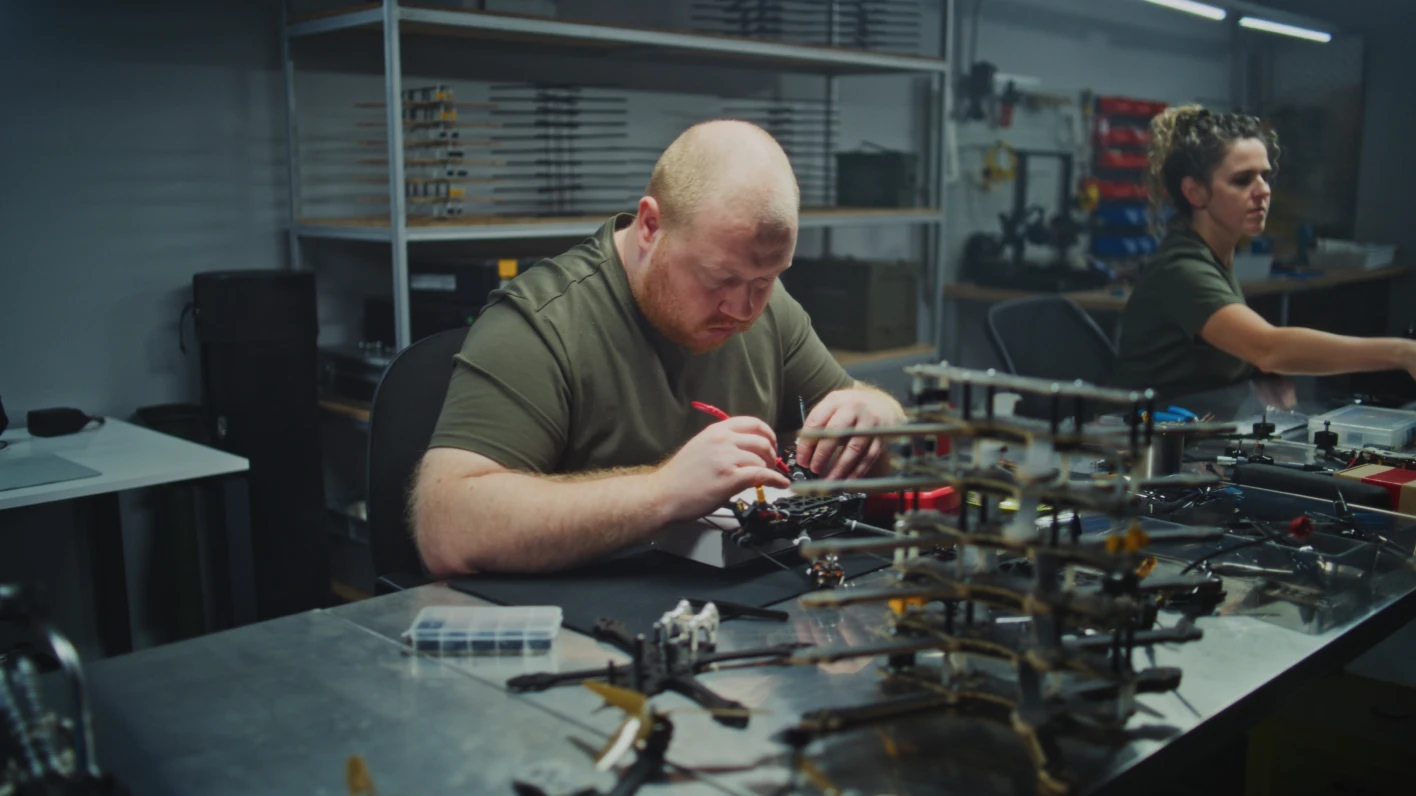
If you've ever driven a car, used a smartphone or opened a household appliance, chances are an assembly worker helped build it. Assembly jobs play an important role in manufacturing, helping companies produce the products people use every day.
While many people think assembly work is simply putting parts together, the job often involves much more. Assembly workers need attention to detail, teamwork, adaptability and problem-solving skills to keep production running safely and efficiently.
Whether you're exploring manufacturing careers for the first time or looking for a role with growth potential, here's what you should know about assembly jobs.
What Does an Assembly Worker Do?
Assembly workers help manufacture products by putting together components, operating equipment and ensuring finished products meet quality standards.
Depending on the company and industry, daily responsibilities may include:
- Assembling products or parts according to instructions
- Reading blueprints, diagrams or work orders
- Operating machinery and hand tools
- Inspecting products for defects or quality issues
- Testing finished products
- Packaging items for shipment
- Maintaining a clean and safe work environment
Assembly workers are essential to keeping production moving smoothly. Their work helps ensure products are built correctly, safely and on schedule.
Is There a Difference Between an Assembly Worker and an Assembler or Fabricator?
These three terms are often used interchangeably, but some employers use them to describe slightly different roles.
An assembly worker has a broad role that includes assembly, inspection, testing, packaging or operating machinery. Assembly workers are often expected to support multiple areas of production as needed.
An assembler or fabricator may handle more complex or varied tasks, sometimes building entire components from blueprints. Often a higher degree of technical knowledge is necessary.
The exact duties vary by employer, so it's always a good idea to read job descriptions carefully when applying for manufacturing positions.
What Skills Do Assembly Workers Need?
Successful assembly workers combine technical knowledge with workplace skills that help them adapt to changing production needs.
- Attention to Detail
Small mistakes can affect product quality and production timelines. Assembly workers must carefully follow instructions and inspect their work to ensure products meet specifications. - Manual Dexterity
Many assembly jobs require workers to handle tools, equipment and small components with precision. - Communication and Teamwork
Assembly lines rely on collaboration. Workers often communicate with supervisors, machine operators, quality inspectors and coworkers to keep production moving efficiently. - Adaptability
Manufacturing technology continues to change. Employers value workers who are willing to learn new equipment, processes and production techniques. - Problem-Solving Skills
Problem-solving is an important part of many assembly jobs. If a part doesn't fit correctly, a machine isn't operating properly or a quality issue appears, workers need to recognize the problem and help address it. Employers take note of workers who are strong problem-solvers.
What Industries Hire Assembly Workers?
Assembly workers are needed across many industries, creating opportunities for job seekers with a variety of interests.
Common industries that hire assembly workers include:
- Automotive manufacturing
- Electronics manufacturing
- Medical device production
- Aerospace and aviation
- Consumer goods manufacturing
- Industrial equipment manufacturing
- Food and beverage production
Because manufacturing touches so many areas of the economy, assembly skills can often transfer between industries.
What Does a Typical Day Look Like?
After reviewing production goals for the day, assembly workers may assemble products, check quality, troubleshoot minor issues and work with teammates to meet production targets.
Depending on the workplace, employees might rotate between stations or perform multiple tasks during the day. This variety can help workers gain experience across different areas of production and build valuable skills for future opportunities.
Can Assembly Jobs Lead to Career Growth?
Absolutely. Many people enter manufacturing through assembly roles and use the experience they gain to advance into specialized or leadership positions.
Assembly jobs help workers develop technical skills, production knowledge and workplace experience that employers value throughout the manufacturing industry.
What Career Advancement Opportunities Are Available?
One of the biggest advantages of assembly work is that it can open doors to many different career paths.
Production Lead or Team Lead
Production leads help coordinate workflow on the production floor. They often assist with training, answer questions and support team productivity.
Quality Control Inspector
Quality control inspectors focus on product quality and compliance with specifications. They examine products for defects and help identify opportunities to improve manufacturing processes.
Machine Operator
Machine operators run and monitor manufacturing equipment. Workers who understand production processes often transition into these more technical roles after receiving additional training.
Maintenance Technician
Maintenance technicians repair and maintain manufacturing equipment. These positions are a good fit for individuals who enjoy troubleshooting and working with machinery.
Production Supervisor
Production supervisors oversee teams, schedules and production targets. Leadership experience and strong communication skills can help assembly workers move into management roles over time.
Specialized Manufacturing Roles
Assembly experience can also lead to opportunities in:
- Inventory management
- Logistics and supply chain operations
- Workplace safety
- Process improvement
- Lean manufacturing initiatives
- Manufacturing technology and automation
How Can You Advance Your Career in Assembly Work?
Workers who want to grow their careers can look for opportunities to learn on the job and/or advance their skill level with additional training.
Consider:
- Learning multiple production processes
- Volunteering for cross-training opportunities
- Building machine operation skills
- Strengthening quality control knowledge
- Taking safety and technical training courses
- Learning to read blueprints and technical diagrams
- Demonstrating reliability and teamwork
- Taking initiative when solving problems
The more skills and knowledge you develop, the more valuable you become to employers.
The Bottom Line
Assembly workers do much more than assemble products. They help manufacturers maintain quality, meet production goals, solve problems and keep operations running efficiently.
Whether you're assembling components, inspecting finished goods or learning to operate new equipment, the skills you gain can create opportunities for long-term career growth. From quality control and machine operation to leadership and specialized manufacturing roles, assembly jobs can be the first step toward a rewarding manufacturing career.
Assembly jobs offer more than a paycheck—they provide valuable hands-on experience, transferable skills and pathways to technical and leadership careers throughout the manufacturing industry.
Let Manpower help!