

The Engineering Skills You Need to Stay Competitive Today


As industries adopt new technologies, expand digital infrastructure and modernize operations, employers are seeking engineers who can combine technical expertise with AI literacy, systems thinking, business acumen and strong communication skills.
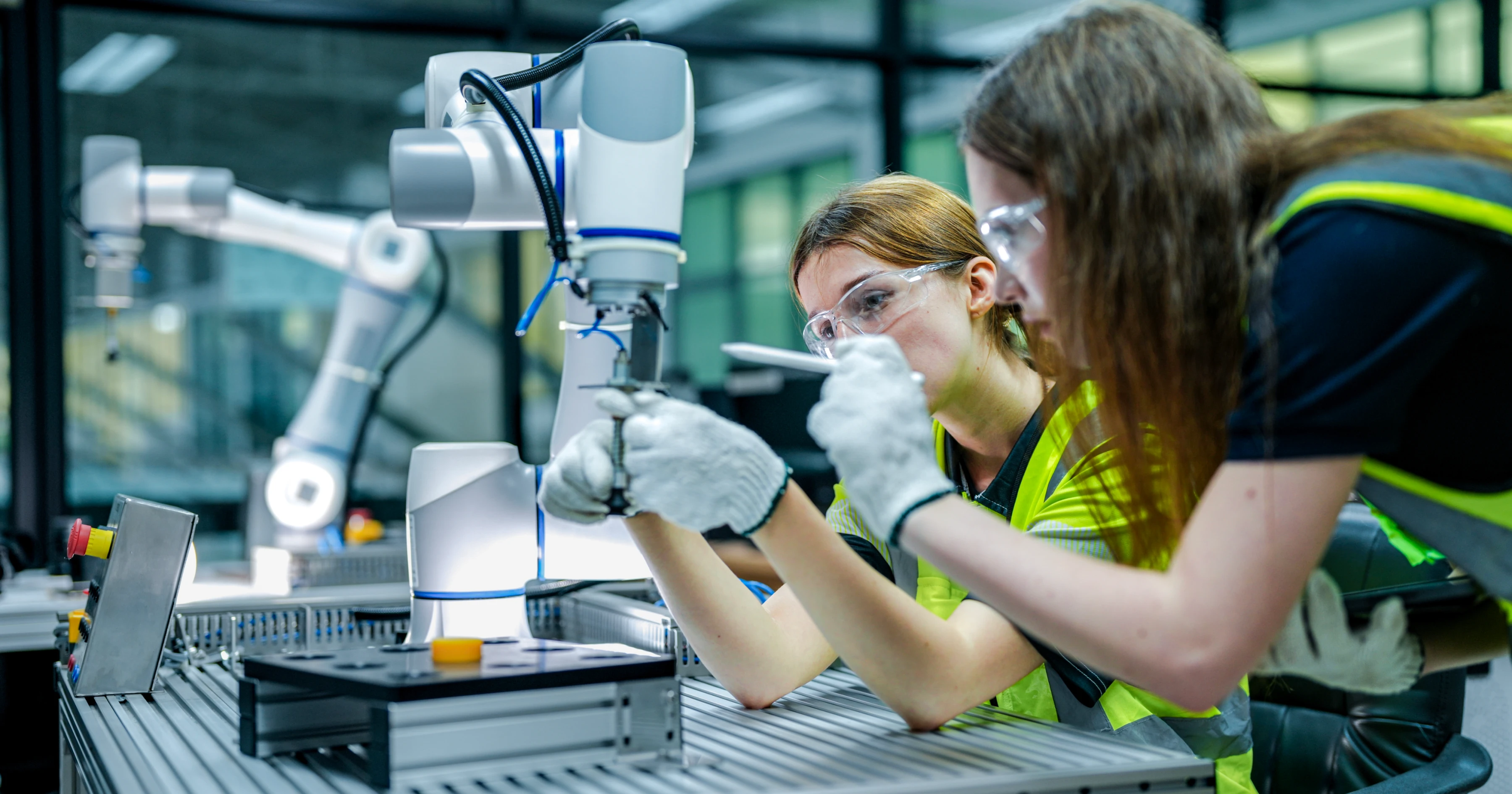
Engineering professions are now — and will continue to be — in high demand. The occupational outlook for engineers of all types is projected to grow at a 6% rate through 2034, and while demand intensifies, employers report continued difficulty finding engineers with the right skills.
According to the American Council of Engineering Companies,
There is a shortage of approximately 18,000 engineers in the U.S. each year.
This indicates a bright future for engineers — if you have the right skillset.
What Are the Most Sought-After Skills for Engineers?
The answer depends on the discipline, but several technical skill areas are becoming more important across the profession, including AI and data literacy, systems thinking, and digital and software skills.
AI and Data Literacy
Engineers don't need to become AI specialists, but they do need to understand how AI is reshaping engineering workflows. This means understanding how AI tools work, where they add value and when human oversight is required.
Organizations are using AI to accelerate design, analysis and administrative tasks, making AI literacy an increasingly valuable skill regardless of engineering specialty.
Engineers should focus on:
- Understanding AI-assisted workflows
- Reviewing and validating AI-generated outputs
- Data analysis and interpretation
- Automation tools
- Digital engineering platforms
The goal is not replacing engineering judgment, but enhancing it.
Systems Thinking
Modern engineering challenges rarely exist in isolation.
Whether designing infrastructure, managing energy systems or developing new products, engineers increasingly work within interconnected systems that span departments, technologies and organizations.
As AI handles more routine work, employers place greater value on systems thinking—the ability to understand how changes in one area affect outcomes elsewhere.
ManpowerGroup research shows employers increasingly value systems thinking as AI takes over routine work.
Here’s why:
- Better decision-making
- Reduced project risks
- Stronger cross-functional collaboration
Digital and Software Skills
Digital transformation is touching nearly every engineering discipline.
Mechanical engineers work with digital twins. Civil engineers use advanced modeling tools. Electrical engineers support increasingly intelligent infrastructure. Manufacturing engineers rely on automation and connected systems.
Engineers who can pair traditional technical knowledge with modern digital tools will have a competitive advantage in the years ahead.
Is Computer-Aided Design Still an Essential Skill for Engineers?
Yes, but AI is influencing the way engineers use CAD.
For decades, engineers across manufacturing, aerospace, construction and infrastructure have relied on Computer-Aided Design (CAD) software to bring ideas to life. That foundation hasn't changed. What's changing is how engineers use these tools.
Why CAD remains essential
- Design, modeling, visualization, and documentation remain core engineering tasks.
- AutoCAD, SolidWorks, Fusion, Revit and similar platforms continue to be widely used.
How AI is changing CAD workflows
- AI-assisted modeling
- Generative design
- Automated design validation
- Smart product documentation
Engineers who know CAD and understand how AI enhances design processes will have a competitive advantage.
What AI Skills Should Every Engineer Learn?
As in most industries today, engineering employers expect some degree of competency with AI tools. Here are some in-demand skillsets.
AI literacy
- Understanding what AI can and cannot do
- Evaluating AI-generated outputs
- Recognizing bias and errors
Prompt engineering
- Writing effective prompts
- Refining AI-generated results
- Using AI as a design and research assistant
AI-assisted problem solving
- Generating concepts
- Running scenarios
- Accelerating documentation and reporting
Soft Skills Are Growing in Demand
Because AI is automating routine and time-intensive activities such as documentation, drafting and data analysis, engineers are free to spend more time on higher-value work that requires judgment, creativity and collaboration.
According to ManpowerGroup Global Engineering World of Work:
80% of engineering employers worldwide believe AI's greatest potential lies in strengthening engineers' problem-solving abilities, creativity and learning opportunities.
As a result, employers are evaluating candidates differently than they have in the past.
Technical expertise remains essential, but organizations also want engineers who can:
- Adapt to emerging technologies
- Learn continuously
- Work across disciplines
- Communicate with business stakeholders
- Solve increasingly complex problems
Increasingly, this means strengthening these skills:
- Problem solving
This is one of the biggest opportunities for AI-augmented work because human judgment remains essential when addressing complex challenges.
- Creativity
Engineering has always required creativity, but that need is growing. Engineers who can generate new ideas while balancing technical constraints are increasingly valuable.
- Communication
Many engineers spend their careers translating technical concepts for non-technical audiences. Whether presenting to executives, clients, regulators or project teams, communication has become a core business skill.
- Collaboration
Large engineering projects increasingly bring together professionals from multiple disciplines. The most successful engineers will have the ability to collaborate across functions, communicate effectively and align stakeholders around shared goals.
Do Engineers Need to Learn Coding?
The importance of coding varies by discipline, but basic programming knowledge may open new opportunities.
Useful options:
- Python
- SQL
- MATLAB
- Automation tools
Benefits:
- Faster analysis
- Process automation
- Better collaboration with software and data teams
Future-Proof Your Engineering Career
Commit to continuous learning and build a blend of technical, digital, and human skills.
The fastest-growing opportunities sit at the intersection of engineering and technology, in areas such as:
- Digital twins
- Simulation technologies
- Additive manufacturing (3D printing)
- Sustainability and green engineering
- Robotics and automation
- Cybersecurity awareness
- Cloud-based engineering platforms
Five Practical Steps for Success
- Stay current with AI tools in your field.
- Learn basic data analysis.
- Strengthen communication skills.
- Pursue industry certifications.
- Seek projects that combine engineering and emerging technology.
What Are the Most Valuable Engineering Skills for 2030 and Beyond?
The engineers who will thrive will combine technical expertise with AI fluency, adaptability and strong human skills.
Future-ready skills checklist:
✅ CAD and engineering fundamentals
✅ AI literacy
✅ Data skills
✅ Systems thinking
✅ Problem-solving
✅ Creativity
✅ Communication
✅ Continuous learning
Ultimately, the tools may change, but the ability to solve complex problems will always be at the heart of engineering.
Ready to Move Forward?
Position yourself for success with Manpower Engineering Our recruiters are subject matter experts ready to understand your needs, offer advice, and connect you with an opportunity that suits you. Many are degreed engineers with an average 7-year tenure with Manpower.
Create a profile to get started.