

How to Be an Indispensable Team Player in Manufacturing


Become an indispensable team player in manufacturing by showing up reliably, communicating clearly, supporting coworkers and protecting safety and quality. A strong work ethic, adaptability and teamwork can help you earn trust and build long-term workplace success.
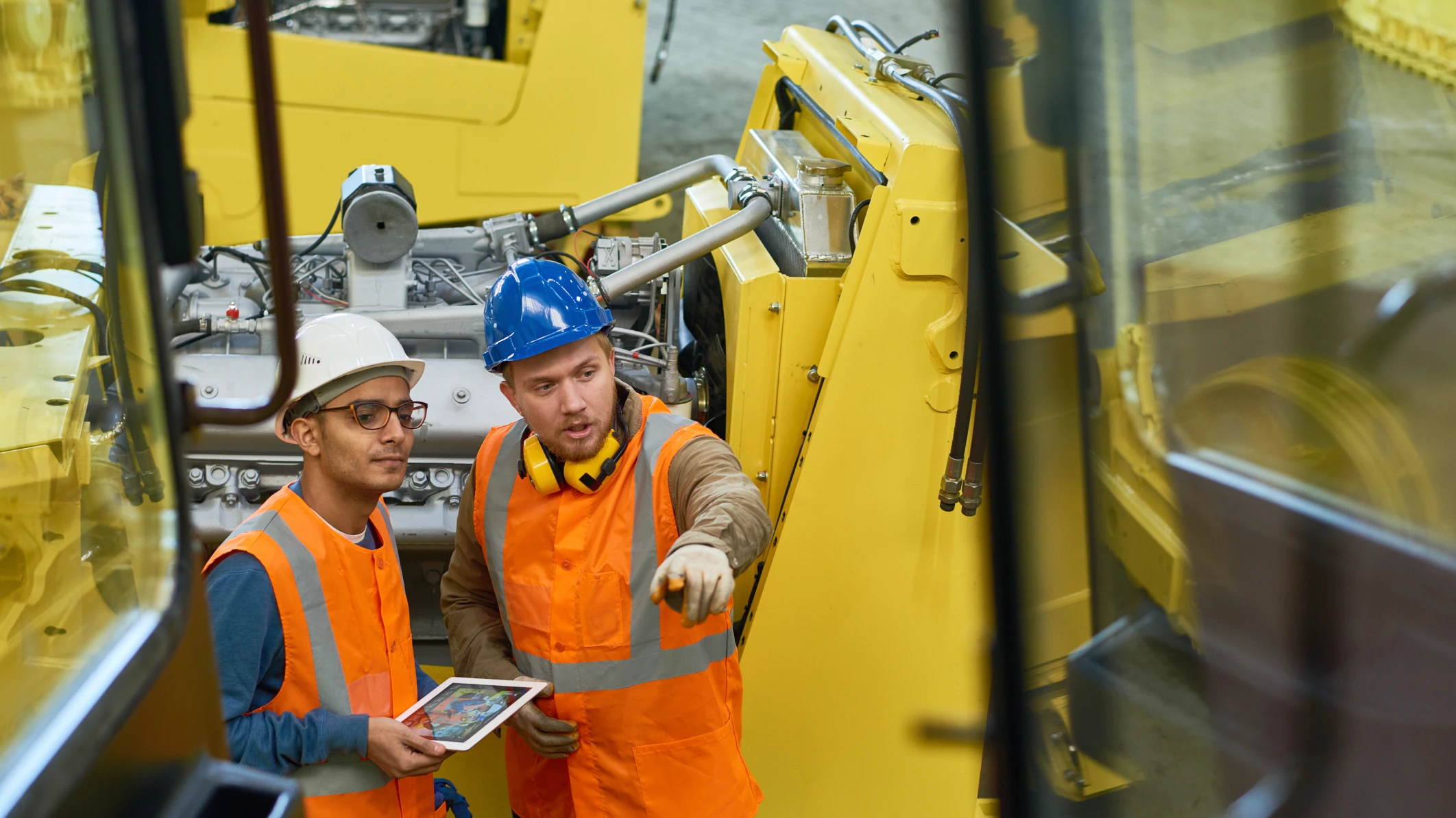
Technical skills may help you qualify for a manufacturing job but becoming someone your team truly depends on requires a lot more than that. Manufacturing employees work within interconnected processes where communication, reliability and individual decisions can affect coworkers throughout an entire shift.
Understanding Workplace Culture
Becoming an indispensable team player means looking beyond your immediate responsibilities to understand the full workplace culture: how your work contributes to everyone’s shared goals. By communicating clearly, following through on commitments, supporting coworkers and maintaining high standards for both safety and quality, you can earn your team’s trust and lay a foundation for long-term success.
Why Is Teamwork Important in Manufacturing?
Because manufacturing work is interconnected, the performance of one employee often affects the safety, quality and productivity of an entire team. Production often depends on coordinated stations, reliable handoffs, shared equipment and schedules that leave little room for preventable delays. When employees communicate clearly and work toward shared production goals, the whole operation can run more effectively.
Teams that work well together are more engaged, more efficient, and more satisfied with their jobs.
According to a multi-decade study by Gallup,
Highly engaged teams have 14% higher productivity, 63% fewer safety incidents and 32% fewer quality defects than teams in the bottom quartile.
How Can You Become an Indispensable Team Player?
The employees who stand out aren’t necessarily the loudest or the ones who know every process. They prove their value by consistently making the work and the people around them more dependable in several distinct ways.
1. Be Someone Your Team Can Rely On
Reliability matters in manufacturing because your work rarely affects you alone. Coworkers may depend on you to complete a task correctly and on schedule before they can do their own jobs. As a baseline, arrive ready and on time, follow established procedures, meet your commitments and finish what you start.
When something goes wrong, reliability also means communicating early. If a machine problem, delay or other issue could affect production, tell the appropriate person rather than hoping it resolves itself. A strong work ethic does not require dramatic displays of effort. It develops through consistent follow-through over many shifts, showing coworkers and supervisors that they can depend on you.
2. Communicate Clearly and Speak Up Early
Clear communication keeps work moving and helps prevent small problems from becoming bigger ones. Here’s how to communicate effectively:
- Listen closely during shift instructions and handoffs
- Ask questions when something is unclear
- Give coworkers useful updates about your progress
Also, be sure to report defects, shortages, equipment problems and safety concerns promptly rather than assuming someone else has already spoken up.
Communication is part of the job, and a key part of people skills. According to the U.S. Bureau of Labor Statistics,
78.1% of production workers require basic people skills, 21.9% require more advanced people skills.
Being a strong team player means making sure the right people have the information they need when they need it.
3. Help the Team, Not Just Your Station
A competent employee handles their own responsibilities well. A strong team player also pays attention to what the people around them need to succeed. Step in when a coworker needs reasonable help, share useful knowledge and help newer employees learn procedures. Think about the next person in the process and what they need from you to keep work moving.
That attitude helps build a workplace culture where employees support shared goals instead of focusing only on individual tasks. However, teamwork does not mean ignoring role boundaries or safety procedures. Help where you can but only perform tasks you have been properly trained and authorized to do.
4. Stay Flexible and Keep Learning
Manufacturing rarely stands still. Equipment, processes, schedules, products and staffing needs can all change, making adaptability an important part of being a dependable team player. Always keep an eye out for opportunities to:
- Learn new tasks
- Accept cross-training
- Ask questions
- Take and implement constructive feedback
Developing your skills can make you a better coworker while showing employers you are prepared to contribute wherever the team needs you.
5. Protect Safety and Quality
Safety and quality are team responsibilities because one person’s shortcut or overlooked mistake can create problems for everyone. Follow established procedures even when production is busy or deadlines are tight. Pay attention when something looks wrong, flag possible defects and be willing to acknowledge mistakes so they can be corrected.
Resist shortcuts that could transfer risk to coworkers or create problems farther down the production line. Sometimes being a good teammate means being the person willing to stop, raise a concern and make sure the problem is addressed before work continues.
6. Bring a Strong Work Ethic to Every Shift
A strong work ethic is about more than working fast. It means consistently paying attention to detail, taking responsibility for your work and maintaining high standards even when a supervisor isn’t nearby. Avoid preventable distractions and respond constructively when schedules get tight or unexpected problems put the team under pressure.
These habits become especially noticeable when conditions are difficult or in potentially hazardous work environments. Coworkers and supervisors learn who takes ownership instead of making excuses and who can be trusted to keep doing careful, dependable work. Consistency is what can turn a merely capable manufacturing employee into an indispensable member of the team.
Strengthen the Soft Skills Employers Notice
Your technical abilities may get you in the door for a manufacturing role but soft skills determine how effectively you work with the people around you.
Research from The Manufacturing Institute has found that even as automation advances, manufacturers continue to value interpersonal skills, particularly communication and collaboration. The study also found that
Critical thinking, problem-solving and an agile mindset are increasingly important skills for the future.
Developing these abilities helps you adjust when the work changes and makes you more useful wherever your team needs you.
The Takeaways
Becoming an indispensable team player in manufacturing comes down to consistently helping the operation and the people around you succeed.
Why is teamwork important?
Manufacturing depends on every team member working together. When one person or process falls short, it can disrupt production and lead to serious consequences.
How to become an indispensable team player:
- Communicate clearly
- Follow through on commitments
- Support coworkers
- Maintain high standards for both safety and quality
Ready to put those skills to work? Explore manufacturing opportunities with Manpower and find a role where you can make a difference.