

Handling with Care: Safety and Precision in Forklift Operation


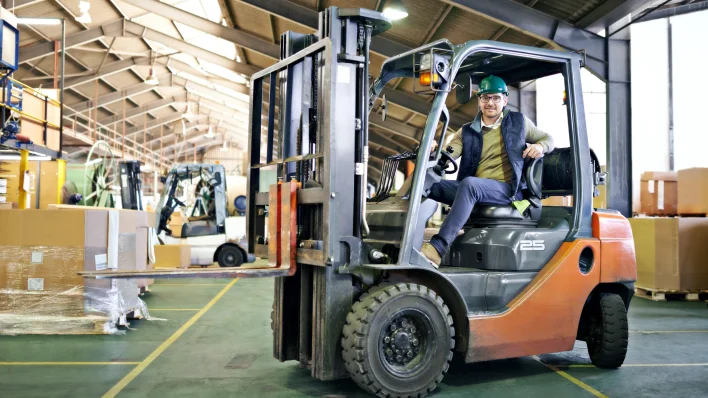
Moving heavy loads from place to place requires a high level of precaution and attention that forklift operators exercise every day.
Operating a forklift requires more than just driving skills. Safety and precision are crucial when it comes to handling these large pieces of machinery. The sad truth is, thousands of people are hurt in forklift accidents every year.
Let’s take a look at the ways a forklift operator must pay close attention to making sure they’re driving this equipment, maneuvering around people, and handling products with care.
The Importance of Safety
Here’s how forklift operators prioritize safety before, during, and after they climb into the driver’s seat.
- Getting certified. Before a worker can operate a forklift or powered industrial truck, they have to be trained in forklift safety procedures and earn a certification. Most employers host their own programs to train and certify forklift operators. Ongoing training is also essential to keep operators updated on the latest safety practices and regulations.
- Keeping the area clear. A crucial aspect of forklift safety is preventing collisions. There’s often a lot of foot traffic in warehouses, making it essential for operators to be aware of their surroundings.
- Checking and repairing equipment. On top of preventing accidents, forklift safety also involves properly maintaining the equipment. Operators conduct regular checks to make sure forklifts are in good working condition, with all safety features intact.
The Precision of Load-Handling Techniques
With forklift operation, precision goes hand-in-hand with safety. Forklifts are prone to rolling or tipping over, and this is a particularly dangerous type of accident. It’s estimated that 24% of all forklift accidents are turnovers, but they account for 42% of all recorded injuries.
Below are techniques these workers use to make sure they’re careful about maneuvering around the warehouse in these large machines.
- Watching loads. Operators must keep a close eye on the loads they’re carrying by assessing the weight and dimensions of products they want to carry. Exceeding the forklift's capacity can lead to accidents and damage the load and the equipment, so operators must be careful about selecting the appropriate forklift attachments for the task.
- Balancing loads. Once a load is selected, maintaining proper balance and stability is key. Forklift operators center a load on the forklift forks and redistribute weight as needed.
- Performing precise maneuvers. Another aspect of optimizing load handling is mastering the art of maneuvering the forklift smoothly and efficiently. This includes using precise controls to lift and lower the forks, tilt the mast, and navigate tight spaces.
Becoming Certified
Becoming certified to operate a forklift is required by law. If your employer doesn’t offer training or you’re not currently employed, you can gain a certification on your own.
- Determine the type of forklift certification you need: Identify the specific type of forklift you will be operating. OSHA defines seven classes of powered industrial trucks, and your training should be specific to the class you'll use.
- Find an OSHA-approved training program: Make sure it’s official! Many community colleges, vocational schools, and online platforms offer these programs.
- Complete classroom training: Attend classes that cover forklift safety, operation, and maintenance. This training typically includes both theoretical and practical components and concludes with a written exam. You may be able to take an online course through OSHA, which will require hands-on practice with your employer.
- Hands-On Training: After passing the exam, you will practice operating a forklift under the supervision of a certified instructor, undergo a final evaluation, and receive your certification.
Will AI replace the Forklift Operator?
While it’s true that some mega warehouses such as Amazon are using Autonomous Mobile Robots (AMR) guided by AI, these machines are too expensive for most facilities. And the good news is, the use of AMRs doesn’t eliminate jobs—it just shifts duties, allowing former operators to concentrate on tasks such as inventory management, merchandise loading, etc. In fact, the forklift operator role is projected to grow 7% from 2018 to 2028.
Raising the Bar on Safety
Becoming a master forklift operator takes time, practice, and dedication. Handling these pieces of machinery might look like simple actions of pulling levers, but there’s a lot of careful attention and detail that goes into moving products in, out, and around warehouses while keeping everyone safe.
Interested?
If you believe getting certified as a forklift operator is in your career’s future, Manpower is here to support your journey and connect you with the right opportunities. Simply create a profile and apply to any one of our jobs listed on our website.