

Automation in Manufacturing Is Opening Doors, Not Closing Them


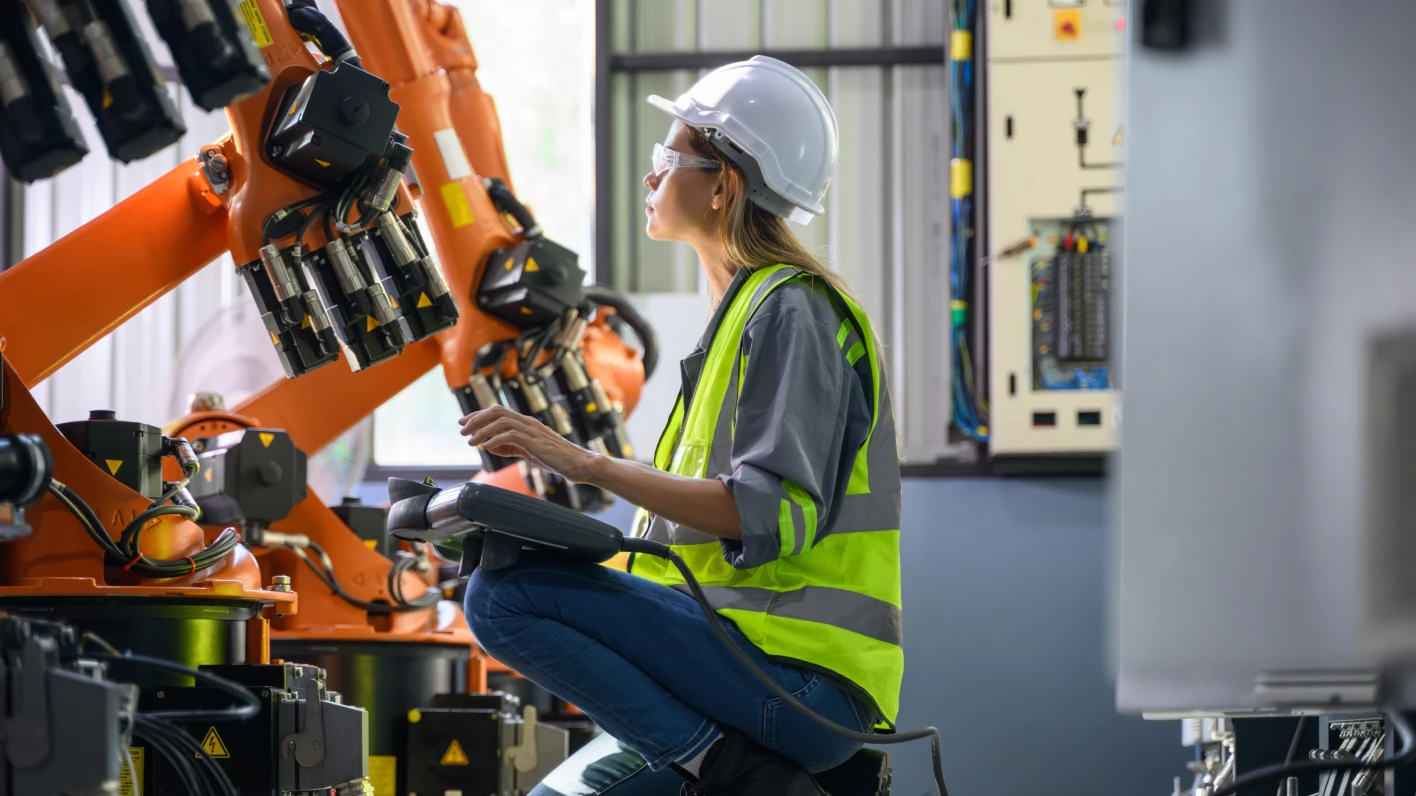
Factories look very different today than even a decade ago. Automation is leading the charge, changing how products are made and what skills workers need to make them.
While many job seekers worry that more automation means fewer jobs, the truth is quite the opposite: automation is creating new opportunities and redefining roles for the better.
What is Automation?
In a general sense, automation is the use of technology to perform tasks that were once done by people. In manufacturing, this includes:
- Robotics: Machines that handle repetitive or heavy tasks with speed and precision.
- Artificial Intelligence (AI): Smart systems that analyze data and make decisions to keep production running smoothly.
- Internet of Things (IoT): A network of connected devices that share information in real time. For example, sensors on machines can alert managers before something breaks, reducing downtime.
How Automation is Changing the Workforce
Our whitepaper on the state of automation estimates that 71% of roles in manufacturing and logistics will be impacted by automation by 2030.
But that doesn’t mean that 71% of the workforce will be laid off! Just as some traditional roles are disappearing, new ones are emerging — roles that require tech skills, problem-solving and adaptability. This blog will help you understand these trends, prepare for the future and stand out in a competitive job market.
Why Automation in Manufacturing Is a Good Thing
Efficiency and Safety: Safe motion technology uses sensors and computer systems to keep machines running safely by watching things like speed, temperature, and pressure. If something goes past safe limits, the system automatically makes changes to prevent accidents. Automation can even track worker location and vital signs in real-time, allowing for faster intervention in case of emergencies.
Economic Growth: Automation and AI are creating what many are calling the fourth industrial revolution. As in previous eras, these new technologies are helping companies work faster, grow, and create new jobs.
A McKinsey report estimates that automation could boost global productivity growth by 0.8% to 1.4% annually. However, there will be fewer people entering the workforce for years to come due to demographic shifts. Unless workers learn new skills, up to 2.1 million manufacturing jobs could go unfilled.
Jobs in Growing Demand
The automation revolution is creating a massive shift from manual labor to jobs requiring problem-solving and oversight.
Skilled Technical Roles
In the world of manufacturing, skilled technical roles are in high demand. These are jobs that focus on hands-on expertise and problem-solving abilities. Here are some examples:
- Maintenance technician
- Quality technician
- Automation technician
- Robotics Maintenance specialist
- Manufacturing technician
- Automation technician
- Engineering technician
Most of these roles require specialized training, but not a four-year degree.
Other High-Demand Roles
If you’ve been thinking about making a big change, The Bureau of Labor Statistics lists these as the fastest-growing professions:
- Wind turbine service technicians
- Solar installers
- Nurse practitioners
- Data scientists
- Information security analysts
Upskilling and Reskilling – The Key to Success
Here are some practical steps to plan your future.
Audit Your Skills
Make a list of what you know and what you need to learn. If you’re going for a skilled technical role, focus on tech skills like working with machines, computers, or data. This helps you prioritize what to learn first.
Seek Out Training Resources
Today’s manufacturing and tech sectors offer industry-sponsored programs, online academies, and apprenticeship opportunities that are accessible and often low-cost or free.
Industry-Sponsored Programs
Programs like FAME (Federation for Advanced Manufacturing Education) provide hands-on technical training and certifications for advanced manufacturing roles.
The MyPath Program offered by Manpower features career acceleration resources, including tuition coverage, GED prep, and thousands of free upskilling and reskilling online courses for our associates.
Online Academies
Coursera, Udacity, and LinkedIn Learning deliver flexible, self-paced courses in automation, AI and digital manufacturing. Many include industry-recognized certificates that will help you land a job.
Apprenticeships
Registered apprenticeships in advanced manufacturing (via Apprenticeship.gov) offer paid, competency-based training for roles like CNC operator, robotics technician, and mechatronics specialist. Your Manpower recruiter may also have information on apprenticeship opportunities in your area.
Academy of Advanced Manufacturing
If you’re a U.S. veteran with tech skills, this program co-sponsored by ManpowerGroup and Rockwell Automation, may be right for you. It offers 12-week, no-cost courses that prepare you for high-demand, technology-based roles.
Pro Tip: Look for programs that offer certifications aligned with industry standards. These credentials show an employer that you’re ready to work and often lead to higher pay.
Show Adaptability
In your resume and on interviews, talk about how you’re willing to learn and work with new technology. Employers value “soft” skills like adaptability and confidence nearly as much as tech skills and experience. These traits show an employer that you can grow with the job.
The Road Ahead
Automation isn’t the end of jobs — it’s the evolution of work. By reassessing your skills, embracing technology and creating an upskilling plan, you can position yourself for success in the workforce of the future.
Start your upskilling journey today and be ready for the opportunities automation brings!