

What To Expect on the Job as a Phlebotomist


While phlebotomists’ main activity is drawing blood, the job requires organizational skills, people skills, adaptability, adherence to sanitary procedures and strict attention to detail. Phlebotomy is a great launching point for other healthcare professions.
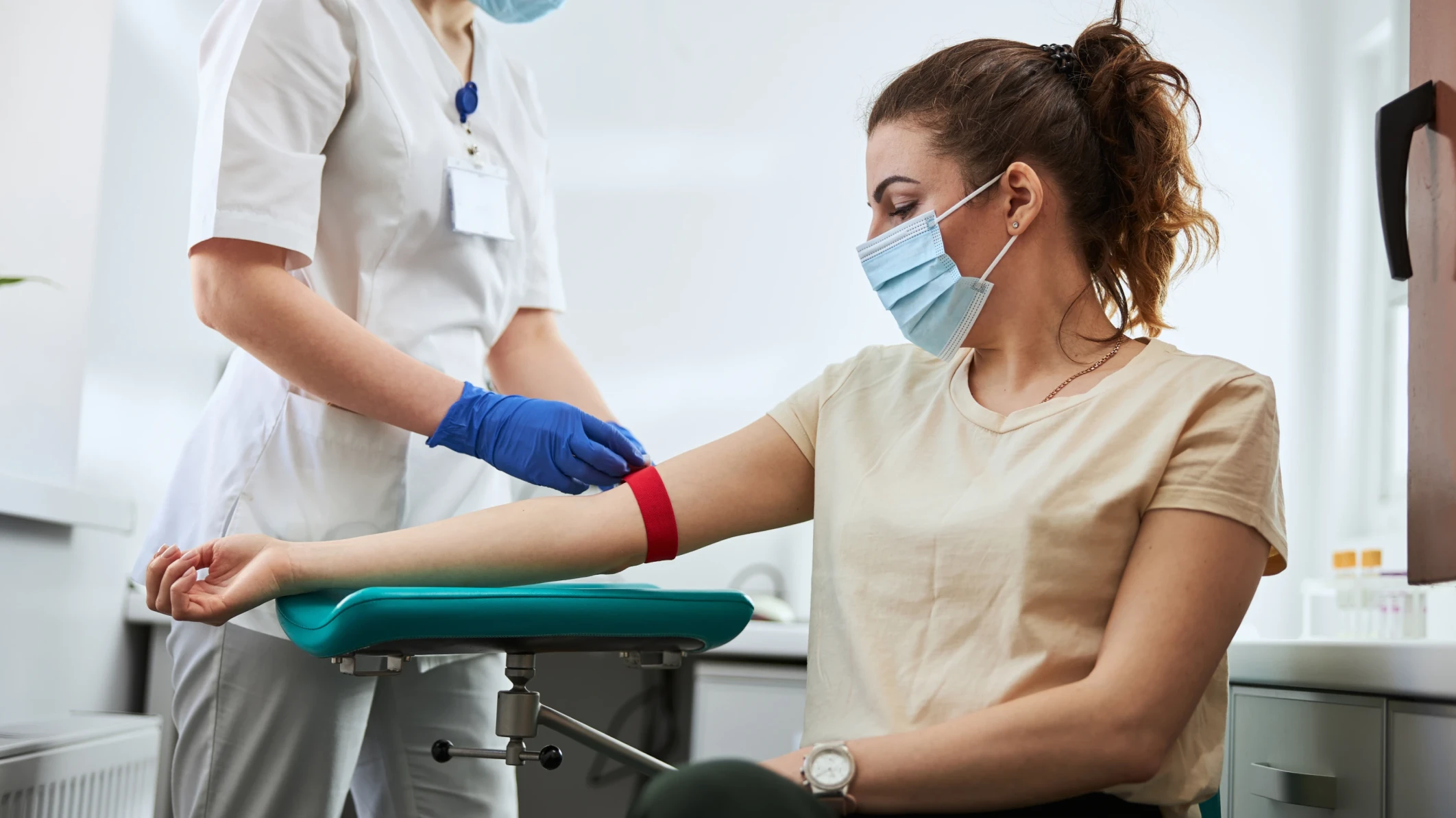
When your doctor orders blood work, one of the first healthcare professionals you'll meet is a phlebotomist. These specialists play a critical role in healthcare by collecting blood samples safely and accurately for testing, transfusions, donations and research. While the actual blood draw may take only a few minutes, there is much more to the job than meets the eye.
If you're looking for a healthcare career that combines patient interaction, attention to detail, and relatively easy entry, phlebotomy may be worth exploring. Let's take a look at what a typical day in this role is really like.
What Is a Phlebotomist?
A phlebotomist is trained to draw blood, safely and efficiently, and to label, store and ship specimens properly. Another important aspect of the job is assuring the patient is comfortable and at ease.
Common workplaces include:
- Hospitals
- Physician offices
- Diagnostic laboratories
- Blood donation centers
- Outpatient clinics
- Mobile blood collection units
What Does a Typical Day Look Like?
Starting the Day: Preparing for Patients
Many phlebotomists begin their shift by reviewing patient appointments, blood draw requests and special instructions from providers.
Before patients arrive, equipment must be prepared and inspected. This includes:
- Needles and collection tubes
- Labels and documentation
- Personal protective equipment (PPE)
- Sanitation supplies
Preparation helps the day run smoothly and ensures patient safety.
Meeting Patients: More Than Drawing Blood
- Identity verification and communication. As patients arrive, phlebotomists verify their identity and confirm the requested tests. This step is critical because even a small labeling error can impact test results.
- Helping nervous patients feel comfortable. Not everyone enjoys having blood drawn. Some patients are anxious, while others may fear needles or become light-headed.
Successful phlebotomists rely on strong communication skills, empathy and professionalism to put patients at ease. A calm conversation can make all the difference.
The Main Event: Collecting Blood Samples
Precision Matters
Throughout the day, phlebotomists perform venipunctures and capillary blood draws for patients of all ages.
Responsibilities include:
- Selecting the proper collection method
- Following safety procedures
- Collecting samples efficiently
- Monitoring patients during and after the draw
Every sample must be collected correctly to ensure accurate laboratory testing.
Adapting to Different Situations
No two patients are alike. A phlebotomist may draw blood from:
- A healthy adult during a routine checkup
- A child getting a first blood test
- An elderly patient with difficult-to-locate veins
- A donor participating in a blood drive
Flexibility and patience are essential.
Behind the Scenes: Labeling and Documentation
Keeping Samples Organized
A significant portion of the job happens after the blood draw.
Phlebotomists carefully:
- Label specimens
- Enter information into electronic systems
- Verify paperwork
- Prepare samples for transport
Accuracy is critical because laboratory professionals rely on properly labeled specimens to perform testing. Similar to medical lab technicians, precision and attention to detail are central to the role.
Working With the Healthcare Team
Supporting Patient Care
Phlebotomists regularly collaborate with:
- Nurses
- Physicians
- Medical assistants
- Laboratory personnel
Their work helps healthcare providers diagnose illnesses, monitor treatments and make care decisions.
While they may not always see the final diagnosis, phlebotomists contribute directly to patient outcomes.
Challenges and Rewards of the Role
Common Challenges
Like any healthcare profession, phlebotomy has its challenges:
- High patient volumes
- Patients who are anxious or uncooperative
- Standing for long periods
- Maintaining concentration throughout repetitive tasks
What Makes It Rewarding
Many phlebotomists enjoy:
- Helping patients every day
- Building interpersonal skills
- Working in a healthcare environment
- Having a relatively fast entry path into the field
- Knowing their work supports life-saving diagnoses and treatments
How Do You Become a Phlebotomist?
Many training programs can be completed much faster than traditional healthcare degrees, making phlebotomy an accessible way to enter the medical field.
After attaining your high school diploma, these are the steps to joining the profession:
- Complete a phlebotomy training program. These are offered at community colleges and technical schools and typically take under a year. You’ll receive one of the following certificates:
- Limited Phlebotomy Technician (LPT) – Authorized to perform skin puncture blood collection
- Certified Phlebotomy Technician I (CPT I) – Authorized to perform skin puncture and venipuncture blood collection
- Certified Phlebotomy Technician II (CPT II) – Authorized to perform skin puncture, venipuncture and arterial puncture blood collection
- Take a certification exam. In most states, phlebotomists can work after completing an approved training program, but many employers — especially hospitals, laboratories and large healthcare systems — prefer or require candidates to obtain certification shortly after hire. Requirements vary by state, and some states require certification or licensure before a person can practice independently.
Career Growth Opportunities
Phlebotomy can be a great launching pad into other healthcare careers.
Potential next steps include:
- Lead phlebotomist
- Medical laboratory assistant
- Medical laboratory technician
- Medical assistant
- Medical records specialist
- Nursing or other allied health professions
Cross-training and continuing education can open doors to additional opportunities.
What Soft Skills Help Phlebotomists Succeed?
You’ll learn technical skills in your training program, but these skills are also essential, and a great way to stand out from the crowd.
- Communication
- Empathy
- Attention to detail
- Organization
- Professionalism
What’s the Job Outlook?
An aging U.S. population and rising prevalence of chronic illness have increased demand for healthcare services, and that includes phlebotomists.
According to the Bureau of Labor Statistics:
Through 2034, the phlebotomist profession is expected to grow by 6% — double the average growth rate of the U.S. workforce.
Key Takeaways
A phlebotomist's job goes far beyond drawing blood. These healthcare professionals combine technical skill, attention to detail and compassionate patient care to support the diagnostic process every day.
For people who enjoy working with others, want meaningful work and are looking for a relatively quick path into healthcare, phlebotomy can be an excellent place to start. Every blood sample collected helps providers make informed decisions — and every successful draw helps patients get the answers they need.
Ready to seek your first role? Search jobs now
See something you like? Create a profile and connect with a recruiter!