If you love variety and have a “can-do” attitude, you can’t go wrong as a general laborer. These are the people who keep production moving, warehouses organized and job sites safe and efficient. There’s always demand for this type of work, which means stable opportunities — and most employers don’t require special schooling or prior experience. For many, it’s one of the easiest ways to break into the world of skilled trades or manufacturing. And if you play it smart, you can progress into better paying jobs down the road.
Whether you’re exploring this field for the first time or already working in an entry-level role, understanding what general laborers do (and how to stand out) can set you up for success.
What General Laborers Do
General laborers support the daily operations of warehouses, manufacturing plants, construction sites, and many other workplaces. While specific duties vary, the core mission is always the same: help the team get the job done safely, efficiently and on time.
More specifically, here’s what you may be responsible for:
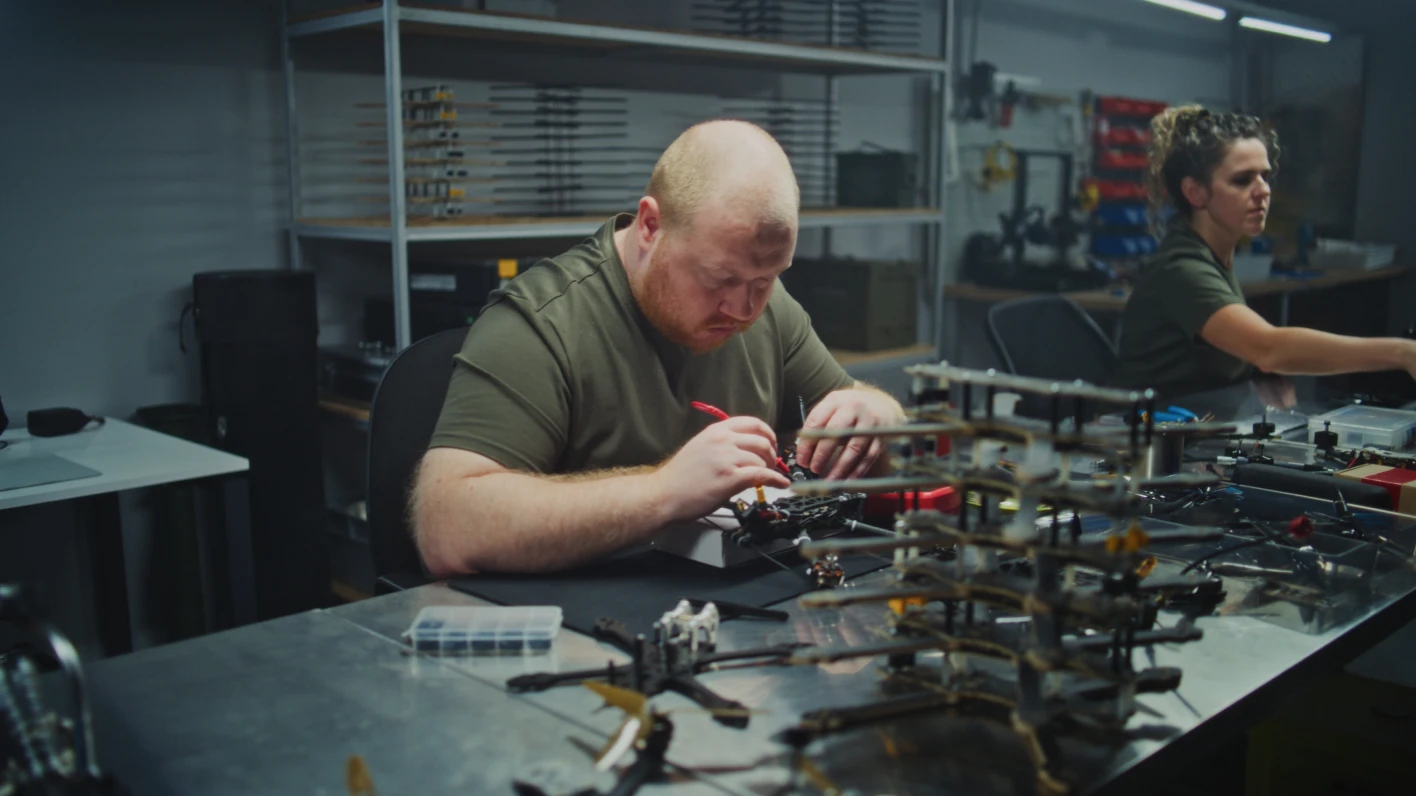
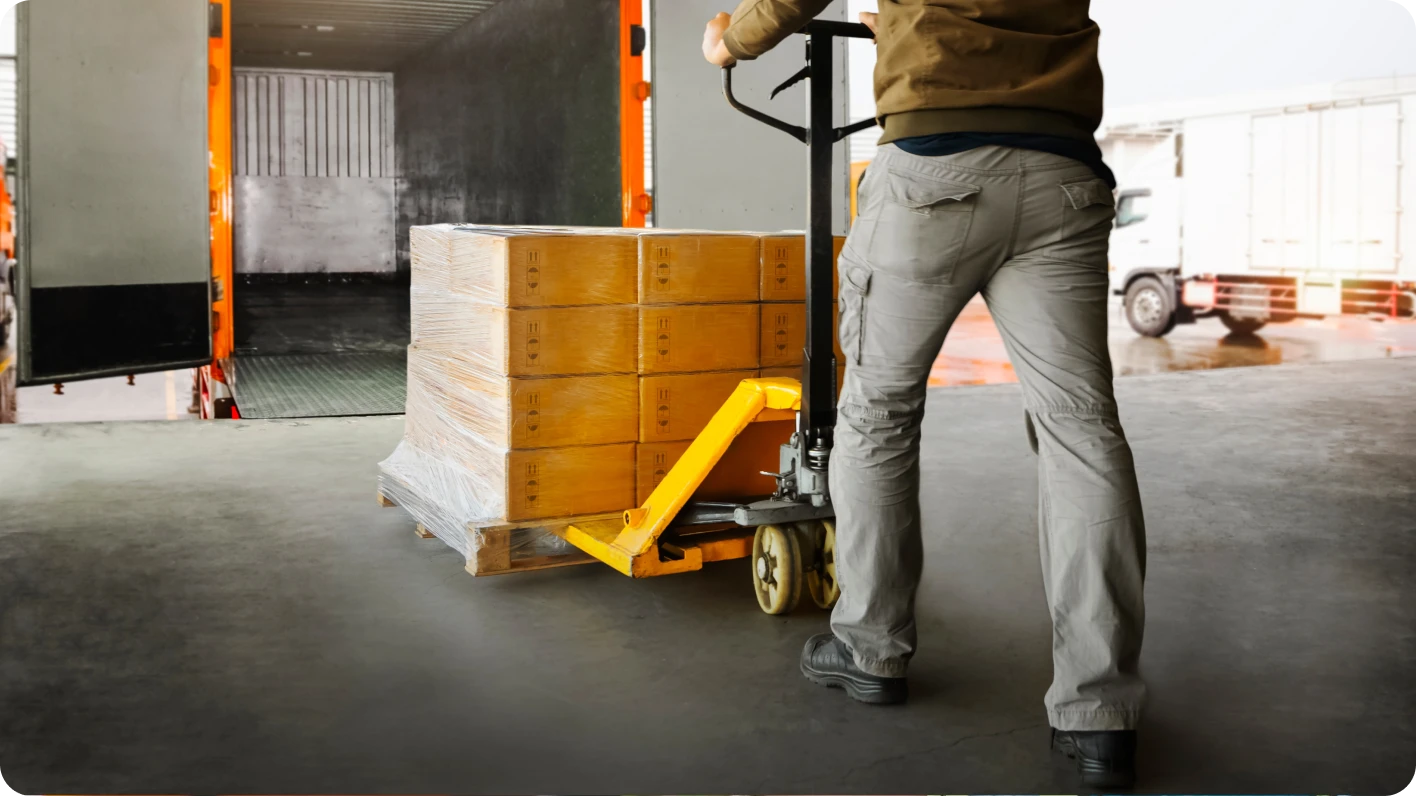
- Operating tools & equipment: Assist with assembly line machines, press machines, conveyor systems; move materials with pallet jacks or forklifts (where trained/certified).
- Assembly & packaging: Follow instructions/blueprints, prep parts, package finished goods to ship damage-free.
- Quality support: Inspect for defects, rework minor issues and escalate problems quickly when needed.
- Housekeeping & basic maintenance: Keep the area clean, do simple equipment checks, report anything unusual.
- Assisting the team: During busy times, you might help load trucks, label inventory, count parts, or support skilled workers. Flexibility is one of the biggest strengths a laborer can offer.
Employment Outlook for General Laborers
According to the Bureau of Labor Statistics, demand for Hand Laborers/Material Movers will grow by 4% per year through 2034, which is considered an average rate. But on the construction side, growth is even stronger: demand for Construction Laborers will grow at a rate of 7% per year — faster than many other fields.
With the many roles you can work in this line of work, you’re bound to pick up several skills that can transfer across jobs and industries, giving you some extra job security.
Skills That Make You Shine
Whether you’re in a factory, construction site or anywhere, these are the qualities that’ll get you noticed as a general laborer.
- Reliability & punctuality. People are depending on you to do your part. Don’t let your team down!
- Ability to follow instructions. It may sound like a no-brainer, but make sure you follow instructions and handle tools correctly — don’t just wing it.
- Tool use & equipment readiness. The more skilled you are at using your tools, the more valuable you’ll be to the team.
- Physical labor capacity. It’s a physical job, so strength and stamina matter.
- Teamwork. General laborers are expected to pitch in wherever they’re needed. Keep that “can-do” attitude going strong.
- Communication. If you think of a better way to do a task, don’t be afraid to suggest it to your boss. And always, speak up if something seems off.
In a Factory or Warehouse
- Attention to Detail / Quality Awareness. You may be working with a production worker, assisting with assembly and preparation of products. You may also be responsible for quality checks.
- Team Collaboration. Production floors depend heavily on coordinated handoffs and staying aligned with the crew.
- Problem Solving / Troubleshooting. Identifying issues with materials, machines or processes and escalating early helps prevent major downtime.
On a Construction Site
- Basic Construction Knowledge. Even foundational knowledge of construction terms, materials and methods will make you more effective and promotable.
- Attention to Detail and Safety. Spotting hazards, checking measurements and catching early errors improves safety and quality. If you see something, say something!
- Adaptability & Problem-Solving. Job sites change constantly. Workers who can adjust quickly and troubleshoot help prevent delays.
A Word About Safety
Safety isn’t just a checklist — it’s part of your job. Laborers are the backbone of the business, so it's important to keep your body in good shape.
Overexertion is the number one cause of work-related injury. Learn proper lifting techniques — lifting with your legs, not your back — and don’t hesitate to ask for help moving heavy items.
And always wear the safety equipment you’re given. Gloves, goggles, hard hats, and high visibility vests aren’t just rules — they’re what keep you from getting hurt.
Pro Tips for Standing Out
Beyond these skills, here are more tips for making yourself promotable.
- Be reliable. Bosses notice who they can count on.
- Keep your space clean and organized — it makes you faster and looks professional.
- Track your wins. Hit daily goals? Learn a new skill? Jot it down — you’ll need it during reviews.
- Ask about company training or advice on gaining micro credentials or certifications.
Moving Up the Ladder
Many laborers complete these certifications as a next step:
- Forklift certification (OSHA compliant): Required to operate forklifts. Some employers offer training or reimbursement. Here’s a how-to guide for getting started.
- Intro safety training (e.g., OSHA 10): This helps show your commitment to safe work habits.
Here are some common jobs you could progress into:
- Forklift operator
- Manufacturing Associate
- General Production Worker
- Machine Operator
- Team Lead
- Quality Control Inspector
- Apprentice (carpentry, electrical, plumbing, HVAC, etc.)
If you get a job through Manpower, you can qualify for our MyPath program, and get on track to become a manufacturing associate and beyond.
Ready to Get Started?
Working as a general laborer is a great way to gain all-around experience and a solid foundation for building a career in skilled trades or even management.
Being eager to learn and willing to get your hands dirty makes you a golden candidate for this type of work. At the end of the day, it's about rolling up your sleeves, diving in, and becoming part of the team that keeps industries chugging along. To learn more about how Manpower can support your career journey and connect you with the right opportunities, simply create a profile and search our open positions. We are here to help!